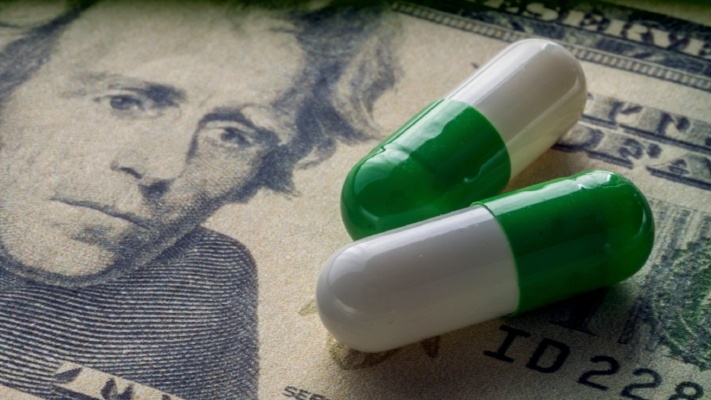
The Senate Judiciary Committee advanced the Creating and Restoring Equal Access to Equivalent Samples (CREATES) Act, S. 974, out of committee on June 14. The main purpose of this bill is to make it easier for generic and biosimilar developers to obtain confidential information from branded drug manufacturers. The bipartisan bill was first introduced in April 2017 but stalled due to strong lobbying efforts from brand-name pharma against the measure. Some members of the GOP have also expressed concern that the bill would lead to unfounded lawsuits against drug companies.
As a refresher, a generic drug is a copy of a branded drug and therefore has the same dosage, intended use, route of administration and strength as the branded medication. On the other hand, a biosimilar is a biological product that is highly similar to and doesn’t contain any clinically meaningful difference from an already existing FDA reference product. As such, biosimilars and generics are both types of branded drugs but biosimilars are not generics.
To do needed research, and, eventually have their application approved by the FDA, generic and biosimilar developers must obtain classified information regarding an already approved FDA drug or product. However, many pharmaceutical companies try to avoid providing this information to developers to avoid giving up their stronghold on the market. In fact, the Trump Administration has called attention to many companies that hide behind the need for their drug/product to have a risk evaluation and mitigation strategy (REMS) as a means to not sell samples to developers, further delaying the entrance of new competition in the marketplace. In short, REMS was created to help manage risk and ensure patient safety.
If you would like more background on REMS, see the FDA’s FAQs here. I’d also recommend reading up on the 1984 Hatch-Waxman Act to learn more about competition between brand-name pharmaceuticals and generics.
The text of the CREATES Act mostly focuses on Congressional findings regarding the entrance of new generics and biosimilars into the market but it also allows eligible product developers to bring a civil suit against the license holder(s) of a covered product if they fail to provide the information needed to conduct research in an affordable and timely fashion.
There is no timetable regarding when this bill will be brought to the floor for a vote (if it’s brought up at all) but it is sure to receive more attention in light of the Trump Administration’s push to lower drug prices.
If you would like to get more in the weeds on this bill (or any others), don’t hesitate to reach out.